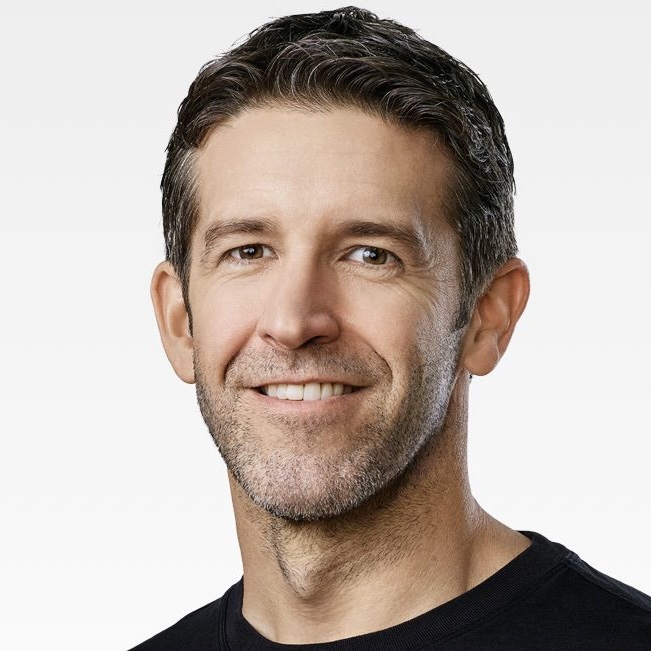
On April 20, 2026, the technology landscape experienced a seismic shift. Apple officially announced that Tim Cook, the architect behind the company’s staggering growth over the past fifteen years, will step down as Chief Executive Officer to become the Executive Chairman of the Board. Taking the helm on September 1, 2026, will be a name deeply familiar to Apple enthusiasts but perhaps less known to the broader public: John Ternus. For the past quarter-century, Apple has been defined by a duality of visionary design and operational mastery. While figures like Steve Jobs and Jony Ive captured the public's imagination with their design philosophies, and Tim Cook commanded respect through his unparalleled supply chain logistics, John Ternus represents a different kind of leader. Currently serving as the Senior Vice President of Hardware Engineering, Ternus is a mechanical engineer by trade. He is a pragmatic, highly charismatic, and deeply technical leader who has had a hand in nearly every major piece of Apple hardware released in the 21st century. When Ternus takes over in September, he will be Apple’s first CEO to come from a strictly hardware engineering background in over three decades. But who exactly is John Ternus, and how did a competitive swimmer from California rise to lead the most valuable technology company on the planet? Born in 1975 or 1976 in California, John Ternus exhibited an early aptitude for how things work. His academic journey led him to the East Coast, where he enrolled at the prestigious University of Pennsylvania. At Penn, Ternus was not just a dedicated student within the School of Engineering and Applied Science; he was also a fiercely competitive athlete. Ternus was a standout member of the men’s varsity swimming team. Records from Penn’s athletics department list him as an all-time letter winner, recognizing him as one of the distinguished swimmers in the school’s history. During a notable dual meet against Swarthmore in 1994, he secured victories in both the 50-meter freestyle and the 200-meter individual medley. This rigorous athletic background instilled a discipline and endurance that would later serve him well in the high-stakes, high-pressure environment of Silicon Valley product launches. Academically, Ternus focused his efforts on mechanical engineering, culminating in a highly innovative senior project in 1997. Long before accessibility became a corporate buzzword, Ternus designed a robotic feeding arm operable by individuals with quadriplegia. The mechanism allowed users to control the arm entirely through precise head movements. This project showcased an early and profound understanding of human-computer interaction and a desire to use complex hardware to solve deeply human problems—a philosophy that perfectly aligns with Apple's core mission. Ternus has maintained strong ties to his alma mater over the years. In 2024, he returned to the University of Pennsylvania to deliver the keynote address for the engineering school’s undergraduate commencement, cementing his legacy at the institution that shaped his foundational skills. Graduating with a Bachelor of Science in Mechanical Engineering in 1997, Ternus entered a tech industry that was rapidly evolving. However, rather than heading straight to a corporate giant, he cut his teeth at a smaller, ambitious startup called Virtual Research Systems. In the late 1990s, virtual reality was a nascent, clunky, and highly experimental field. At Virtual Research Systems, Ternus worked as a mechanical engineer designing early VR headsets and associated accessories. The challenges of VR hardware—balancing weight, optics, thermal output, and user comfort—were immense. Though he only spent about four years at the company, this experience was invaluable. It forced him to grapple with the physical limitations of wearable technology. In a fascinating full-circle moment, the expertise he gained wrestling with bulky late-90s VR headsets would quietly inform his perspective decades later when Apple embarked on its own spatial computing journey with the Apple Vision Pro. In 2001, just as Apple was entering its historic renaissance with the iPod and the introduction of Mac OS X, John Ternus joined the company's vaunted product design team. He was brought on to tackle external hardware, with his initial focus falling on the revered Apple Cinema Display. Designing a monitor for Apple was never just about the screen; it was about creating a piece of functional art that seamlessly integrated with the Mac ecosystem. Ternus quickly proved his mettle, balancing the aesthetic demands of Apple's industrial design studio with the harsh realities of mechanical constraints. During these early years, Ternus also spent a significant amount of time on the ground in Asia. He worked closely with Apple’s sprawling network of suppliers and assemblers. This hands-on experience in the manufacturing trenches gave him a profound understanding of the operational side of hardware creation. He learned what it took to actually build Apple's incredibly tight tolerances at a massive, global scale. It is this combination of engineering idealism and manufacturing realism that allowed him to rise rapidly through the ranks. By 2013, Ternus’s relentless work ethic and deep institutional knowledge earned him a promotion to Vice President of Hardware Engineering, working directly under the legendary Dan Riccio. In this role, his portfolio expanded exponentially. Ternus was entrusted with the iPad product line. According to Apple, Ternus has worked on every single generation and model of the iPad ever released. He guided the tablet from its early iterations as a media consumption device to the powerhouse iPad Pro lineup, pushing the boundaries of what a tablet could achieve in terms of raw performance and thinness. But perhaps his most culturally significant undertaking during this period was overseeing the development of AirPods. When Apple removed the headphone jack from the iPhone, the pressure to deliver a flawless wireless audio experience was immense. Under Ternus's engineering leadership, the AirPods team delivered a product that didn't just succeed; it fundamentally changed the audio landscape, spawning a multi-billion dollar wearables division and becoming a ubiquitous cultural icon. In 2020, Ternus's responsibilities grew once again when he was placed in charge of the iPhone hardware division. He became a key decision-maker in determining the architecture, thermal management, and price-point viability of the most crucial product in Apple's lineup. If there is one crowning achievement in John Ternus’s career as a VP, it is his leadership during the Mac's historic transition from Intel processors to Apple Silicon. Moving an entire ecosystem of desktop and laptop computers to a completely new, ARM-based architecture was a monumental risk. Ternus was instrumental in engineering the hardware to perfectly complement the new M-series chips. Because Apple now controlled both the brain (the silicon) and the body (the hardware), Ternus’s teams were able to completely rethink thermal dynamics. This led to fanless designs like the M1 MacBook Air, which offered unprecedented battery life and performance. The transition was flawlessly executed, revitalizing the Mac lineup and driving it to become more powerful and globally popular than at any time in its 40-year history. In 2021, Dan Riccio stepped down to focus on a secret project (later revealed to be the Vision Pro headset), and John Ternus was the natural choice to succeed him. Ternus was officially promoted to Senior Vice President of Hardware Engineering, joining Tim Cook's elite executive leadership team. As SVP, Ternus became the de facto figurehead for Apple’s hardware. He stepped into the public eye, becoming a highly visible and well-liked presence during Apple's polished keynote presentations. Described by Bloomberg as "charismatic and well-liked," Ternus brought an approachable, plain-spoken energy to deep technical explanations. Under his SVP tenure, he took over the Apple Watch hardware engineering in late 2022 and pushed the boundaries of portable computing with devices like the recently introduced MacBook Neo. Beyond simply pushing pixels and processing power, Ternus became the leading voice for Apple’s hardware sustainability efforts. He spearheaded initiatives to dramatically increase the use of recycled materials, including rare earth minerals, across all product lines. He also drove a massive focus on power efficiency, ensuring that devices consumed less energy over their lifespan. When questioned about device repairability—a frequent point of contention between tech giants and consumer advocates—Ternus offered a measured, engineering-first perspective. He stated that his team actively worked to make iPhones easier to repair, but he famously argued that "repairability is a means to an end." For Ternus, the ultimate goal was product longevity and durability; ensuring the device didn't break in the first place was just as important as how easily it could be fixed with high-quality spare parts. The April 20, 2026, announcement that John Ternus will become the next CEO of Apple marks the end of an era and the beginning of a fascinating new chapter. Tim Cook leaves behind a colossal legacy. Under Cook’s 15-year reign, Apple's market capitalization skyrocketed from roughly $350 billion to over $4 trillion. Cook masterfully expanded Apple’s services sector—Apple Pay, Apple TV+, and Apple Music—into a $100 billion-a-year juggernaut, all while navigating incredibly complex global supply chain politics. In his departure statement, Cook praised his successor, stating: "John Ternus has the mind of an engineer, the soul of an innovator, and the heart to lead with integrity and with honor." Ternus himself responded with profound gratitude, acknowledging his luck in spending his career working under Steve Jobs and being mentored by Tim Cook. The challenges awaiting Ternus on September 1 are formidable. While Apple’s hardware ecosystem is unparalleled, the company is facing intense pressure in the artificial intelligence race, with competitors like Alphabet, Microsoft, and Nvidia moving aggressively. Apple has already begun restructuring its AI leadership to address these performance gaps. Furthermore, Ternus will be responsible for defining the future of new form factors, guiding the continued evolution of the Vision Pro, and potentially overseeing the rollout of rumored products like smart glasses. Ternus’s appointment brings a deep sense of stability to Cupertino. As a 25-year veteran of the company, he is deeply embedded in Apple's DNA. He understands the magic of its design, the rigor of its engineering, and the scale of its manufacturing. By appointing an engineer to the absolute top job, Apple is sending a clear signal: the future of the company, no matter how much it relies on services and AI, will remain firmly rooted in creating the best, most perfectly engineered hardware in the world.
Early Life and the Penn Years
The Virtual Reality Prelude
Joining the Mothership
The Rise to Vice President
The Apple Silicon Triumph
Leading the Hardware Division
The Dawn of the Ternus Era